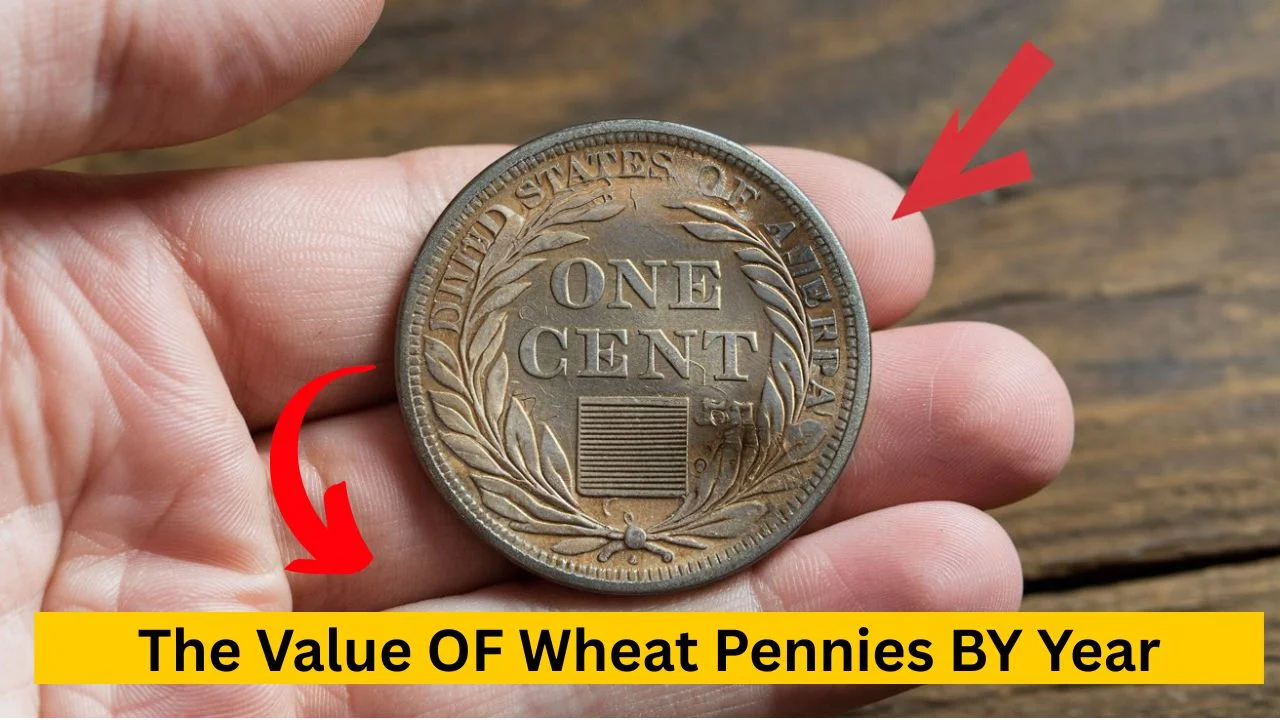
The Value of Wheat Pennies By Year: The Lincoln Wheat Penny, first minted in 1909, is one of the most beloved coins in American history. With its iconic design featuring wheat stalks on the reverse, it quickly became a collector’s favorite. While many Wheat Pennies are still only worth a cent, some rare years and mint errors are valued in the thousands—or even millions—of dollars today.
This guide takes you through the value of Wheat Pennies by year, helping collectors and everyday people understand which pennies could be treasures hiding in plain sight.
Rare $677,777 Bicentennial Quarter and 6 More Coins Worth Over $87,777
History of the Wheat Penny
The Wheat Penny was introduced in 1909 to celebrate the 100th anniversary of Abraham Lincoln’s birth. It was the first U.S. coin to feature a real person instead of Lady Liberty. Designed by Victor D. Brenner, the coin remained in circulation until 1958, when the reverse design changed to the Lincoln Memorial.
Wheat Penny Values by Year
The value of a Wheat Penny depends on its year, mint mark, condition, and rarity. Below is a general overview of values:

| Year | Average Value (Circulated) | Uncirculated / Rare Varieties |
|---|---|---|
| 1909 VDB | $10 – $50 | $700 – $12,000 |
| 1909-S VDB | $800 – $1,200 | $5,000 – $100,000+ |
| 1914-D | $250 – $500 | $3,000 – $25,000 |
| 1922 (No D) | $500 – $1,000 | $15,000 – $30,000 |
| 1931-S | $50 – $100 | $200 – $1,500 |
| 1943 Copper (Error) | $100,000+ | $1 Million+ |
| 1955 Double Die | $1,000 – $2,500 | $10,000 – $100,000 |
Most Wheat Pennies from 1940–1958 are common and worth only a few cents unless they have minting errors.
Key Factors That Affect Value
-
Year and Mint Mark – Coins from rare years like 1909, 1914, and 1922 are more valuable.
-
Minting Errors – Double dies, off-center strikes, and missing mint marks make coins highly collectible.
-
Condition (Grade) – Coins in uncirculated condition or “red” coloration sell for much more.
-
Historical Significance – Special editions like the 1909 VDB pennies are prized for their origin.
5 Sacagawea Coins That Turned Spare Change Into Six-Figure Fortunes

The Most Valuable Wheat Pennies Ever Sold
-
A 1943 Copper Wheat Penny sold for over $1 million because it was mistakenly struck in copper instead of steel.
-
A 1909-S VDB Penny in mint condition can bring in over $100,000.
-
The famous 1955 Double Die Penny is one of the most sought-after error coins, worth tens of thousands.
How to Check Your Wheat Pennies
-
Look for the year and mint mark (small letters like D for Denver, S for San Francisco).
-
Inspect for doubling in the date and lettering.

-
Keep pennies in protective holders if you suspect they’re valuable.
-
Consider getting them graded by PCGS or NGC for authentication.
Final Thoughts: Hidden Treasures in Your Change
The Wheat Penny is more than just a coin—it’s a piece of history. While most are common and worth only a cent or two, a lucky few are worth thousands or even millions. Checking your coins carefully could turn an old jar of pennies into a collector’s jackpot.
So next time you spot a Wheat Penny, don’t overlook it—you may be holding a piece of treasure from America’s past.
Found in Grandpa’s Toolbox: The Kennedy Coin That’s Now Worth Over $50,000

FAQs About Wheat Pennies
Q1: How do I know if my Wheat Penny is rare?
Check the year and mint mark. Rare years like 1909-S VDB, 1914-D, and 1922 (No D) are highly valuable. Also, look for minting errors like the 1955 Double Die or the 1943 Copper Penny.
Q2: Are all Wheat Pennies valuable?
No. Most Wheat Pennies minted between 1940–1958 are very common and usually worth only a few cents in circulated condition. Only certain years, mint marks, or error coins have high value.
Q3: What is the most valuable Wheat Penny ever found?
The 1943 Copper Wheat Penny is one of the most valuable, selling for over $1 million at auction. It’s rare because most 1943 pennies were struck in steel, not copper.